How to build a podcast distribution engine for maximum impact
Most podcasts don't have a content problem. They have a distribution problem. This is the seven-part system we run on every episode, with examples from Work in Fintech.
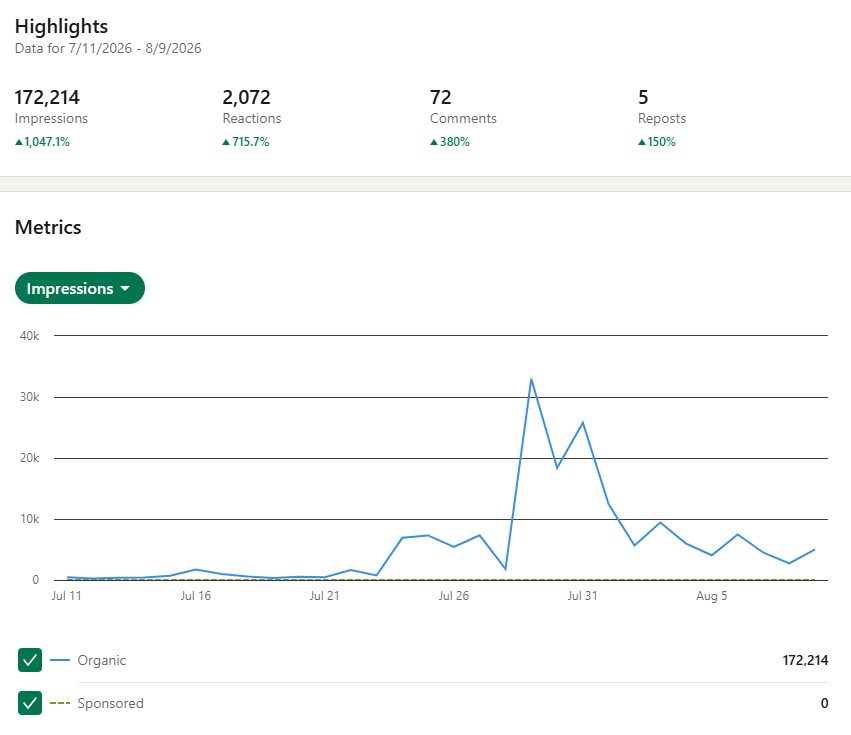
Most podcasts don't have a content problem.
They have a distribution problem.
A company can spend hours finding the right guest, preparing for the conversation, recording a one-hour episode and producing high-quality content.
Then it publishes the episode on YouTube, LinkedIn and Instagram and waits for the audience to come.
That's not a distribution strategy.
That's publishing.
A podcast only creates meaningful business value when the ideas, people and conversations inside it reach the right audience.
At Qurious Growth, we think about podcast distribution as a system designed to turn every episode into:
Attention, audience, relationships, opportunities.
Why do companies have podcasts?
There are three major reasons.
1. Audience and monetisation
The obvious one.
Build an audience, generate attention and eventually monetise that attention through sponsorships, advertising and brand partnerships.
The larger and more valuable the audience, the more valuable the media inventory becomes.
But for B2B companies, there are two other use cases that can be even more valuable.
2. Access and relationships
Imagine you're a B2B fintech company selling enterprise software.
Your average contract is worth $100K a year.
There may only be 50 companies that are truly ideal customers for you.
A podcast gives you a reason to get the decision-makers at those companies into a conversation.
Instead of sending another cold sales email, you can invite the Head of Sales, CFO, CEO or founder onto your podcast.
You have a conversation.
You learn about their business.
They learn about yours.
You build a relationship.
And if you're good at sales, that relationship can eventually become a customer.
Suddenly, the podcast isn't just a media expense.
It's a relationship and sales channel.
3. Brand and category building
Some companies don't run podcasts to generate advertising revenue at all.
They use content to build mindshare.
Companies like Stripe are a good example of this broader approach to content-led brand building.
If founders, developers, CFOs and operators repeatedly see your company associated with intelligent conversations and useful insights, your brand gradually becomes more familiar.
And familiarity matters.
Imagine six months from now you need a payments infrastructure provider.
You've seen Stripe executives, Stripe content and Stripe insights dozens of times.
When you eventually enter the buying process, Stripe isn't a stranger.
The brand already occupies space in your mind.
That's the power of content-led marketing.
So there are three potential outcomes: audience, access and brand.
The question is: how do you maximise all three?
The answer starts with distribution.
The problem isn't content. It's distribution.
A one-hour podcast might contain dozens of valuable ideas.
But that conversation has a limited lifespan if you simply publish the episode once and move on to the next one.
We believe every episode should be treated as a content asset that can be distributed in multiple formats, across multiple platforms, to multiple audiences.
That means distribution isn't just posting the episode. It's:
- Promotional content
- Guest amplification
- Guest social media kits
- Ghostwritten content
- Short-form video
- Platform-specific content
- Newsletter distribution
- Audience development
- Relationship building
- Performance analysis
Here's how we approach it.
1. Trailer and promotional content
Distribution starts before the episode goes live.
We create trailer and promotional posts designed to build anticipation around the upcoming conversation.
The objective isn't simply to announce that a new episode is coming soon.
The objective is to give people a reason to care about the conversation.
For Work in Fintech, we've used promotional posts to introduce guests and highlight interesting ideas from upcoming conversations.
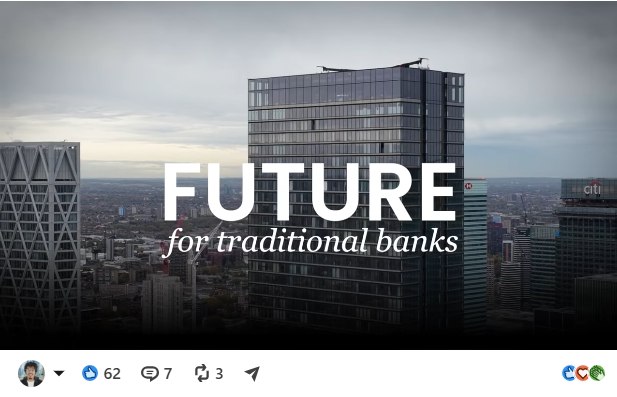
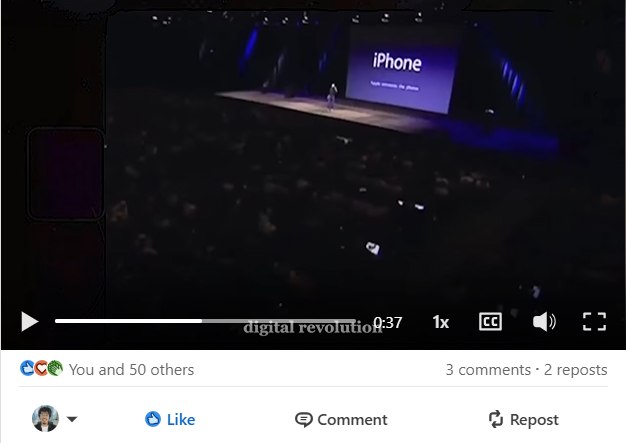
This gives the episode an initial distribution push rather than treating publication as the finish line.
2. Guest social media kits
Your guest is one of the most valuable distribution channels you have.
But there's a problem with simply asking them to share the podcast.
They're busy. Their communications team is busy. And asking them to write a post, choose an image, find the link and figure out what to say creates unnecessary friction.
So we create a ready-to-publish social media kit for the guest.
- LinkedIn post
- X post
- Episode link
- Short-form clips
- Images
- Key talking points
- Suggested captions
- Tags and mentions
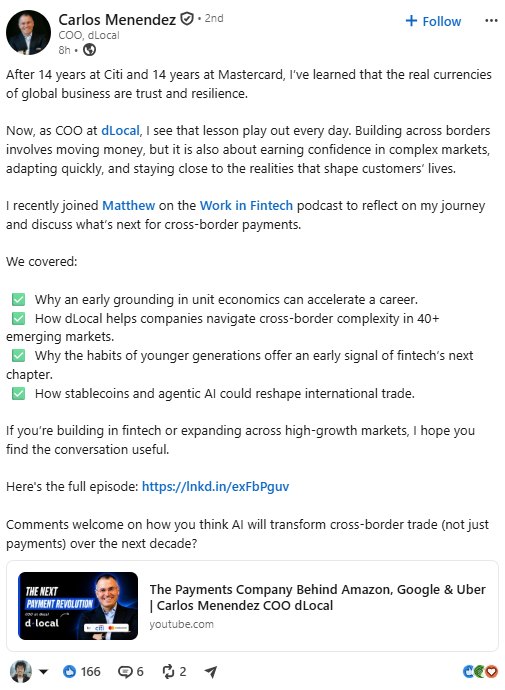
First, it makes sharing frictionless. The guest doesn't have to create anything. They can simply review, copy and publish.
Second, it gives the episode access to an audience you don't own.
Your podcast account might have 5,000 followers. Your guest might have 50,000. Their company might have 500,000.
Getting those audiences to see the conversation can dramatically increase total reach.
Third, it strengthens the relationship with the guest and their communications team.
And that leads to an even bigger advantage.
3. Your guest network is a distribution asset
This is one of the most underrated benefits of running a podcast.
Every guest isn't just an individual appearing on your show.
They're a node in a much larger network.
Think about what happens when you consistently interview senior executives, founders, investors and operators.
You don't just get access to their audience. You get access to their network:
- Another potential guest
- A founder
- Their communications team
- A potential sponsor
- An event organiser
- A potential customer
- An investor
- Another senior executive
And the more guests you work with, the larger that network becomes.
One guest can lead to another. One introduction can lead to a partnership. One relationship with a communications team can lead to multiple executives appearing on the podcast.
That's the multiplier effect.
Great podcast, great guest experience, guest amplification, more visibility, better guests, larger network, more introductions, more opportunities.
This is why guest communication isn't just an operational task.
It's part of the distribution strategy.
When you make it easy for a guest to share content and make them look good in the process, you're increasing the probability that the relationship continues beyond the podcast episode.
Over time, the guest network itself becomes an asset.
Your audience can compound. Your distribution can compound.
But most importantly:
Your relationships can compound.
And in B2B, relationships can be worth far more than impressions.
4. Ghostwriting
A podcast page shouldn't only talk about its own podcast.
If every post says "watch our latest episode," the page eventually becomes an advertisement for itself.
Instead, we use ghostwritten content to make the page genuinely useful.
For Work in Fintech, we've written posts around:
- Fintech success stories
- Industry news
- Market insights
- Interesting companies
- Founder lessons
- Technology trends
- Banking and payments
- AI in financial services
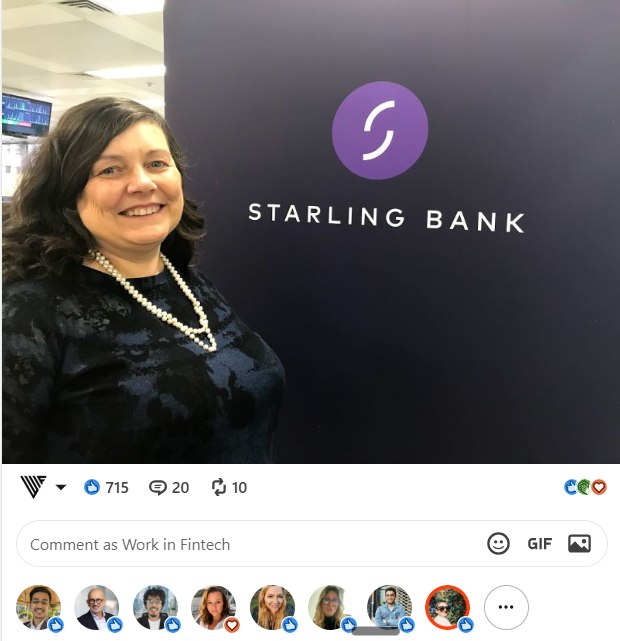
This gives people a reason to follow the page even when they haven't watched the podcast.
That's how you build an audience, rather than simply building a podcast subscriber base.
5. Short-form content
Short-form is an important part of podcast distribution.
But there is a difference between creating clips and creating clips designed to distribute an idea.
We don't simply take a 60-minute podcast, cut it into 60-second segments and add captions.
We look for moments that can stand on their own.
The viewer should be able to understand what this is about, why they should care, and why they should keep watching, without knowing anything about the original podcast.
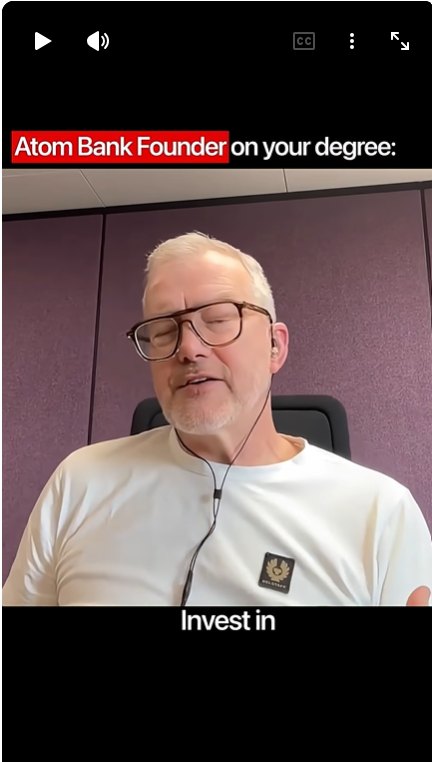
Visual hooks
The first few seconds determine whether someone keeps watching.
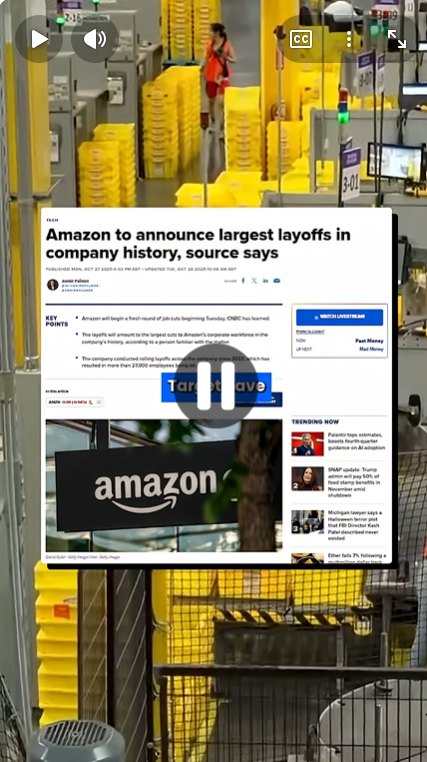
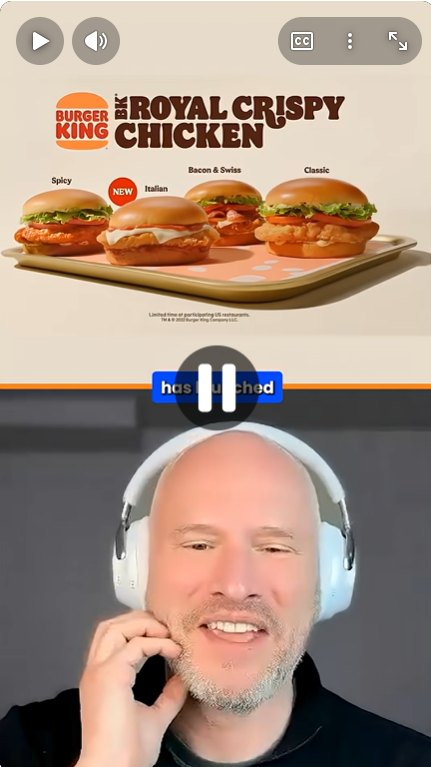
For one of our clients, we introduced stronger visual hooks into the short-form content.
The result?
The videos generated approximately 3 to 4 times more views than their other videos.

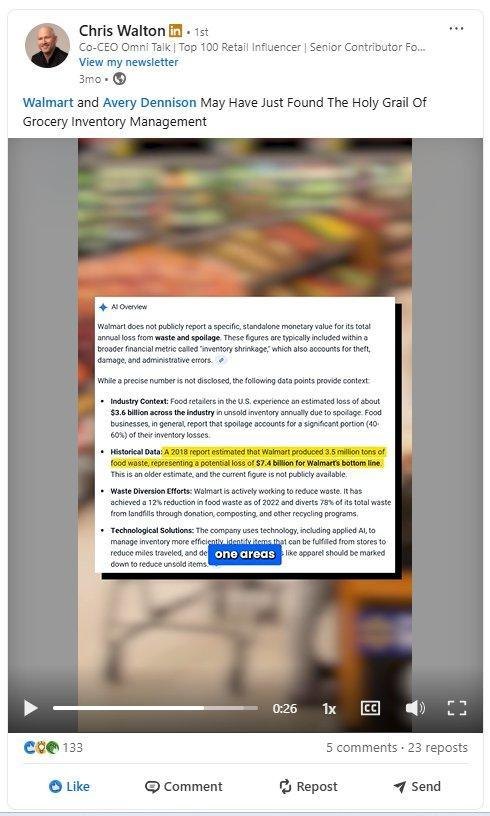
The same videos also performed well on LinkedIn.
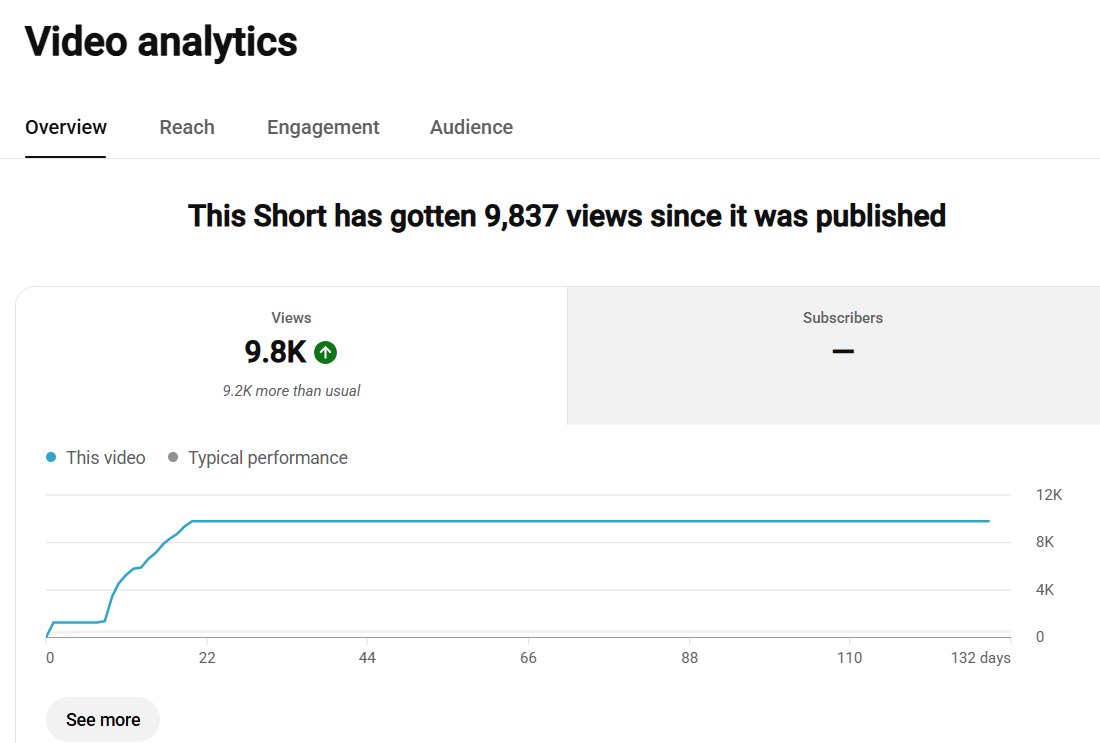
The lesson is simple:
The clip itself isn't enough. The packaging determines whether the clip gets consumed.
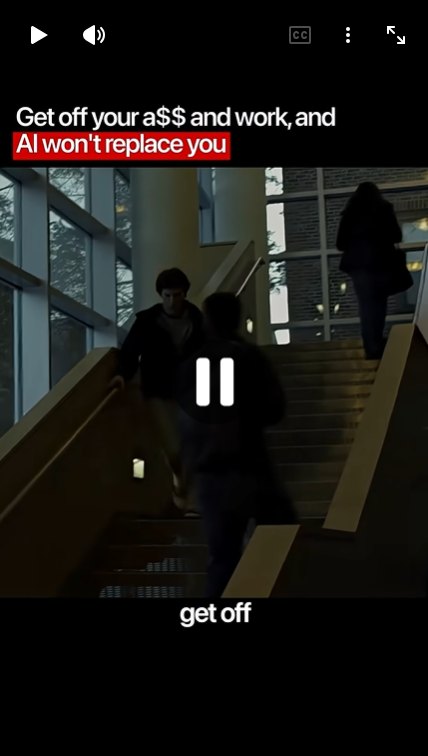
Text hooks
The visual isn't the only hook.
The opening text matters just as much.
Instead of starting with something like "so when I joined the company," we might lead with:
Most fintech companies are thinking about AI completely wrong.
Now the viewer immediately knows what they're about to learn.
That's the difference between starting the conversation and starting with the insight.
6. Platform-specific content
One of the most common mistakes we see is taking the exact same content and publishing it across every platform.
Technically, it works.
Strategically, it's lazy distribution.
People consume content differently on LinkedIn, X, YouTube, Instagram and TikTok.
So we adapt the content to the platform.
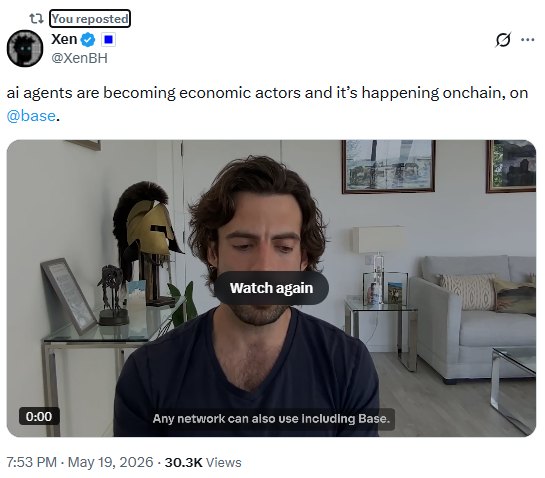
For Work in Fintech, we've found that landscape video can perform particularly well on LinkedIn and X, rather than simply republishing the same vertical Reel format used for YouTube Shorts or Instagram.
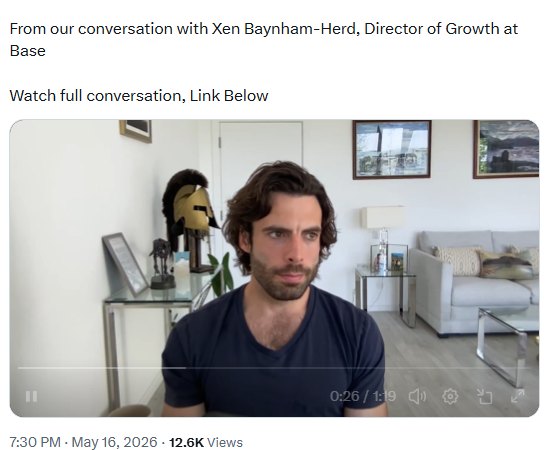
We also don't believe in stuffing every post with hashtags.
A post with a long list of hashtags can look cluttered and overly promotional.
The goal isn't to make the post look like social media content.
The goal is to make it feel native to the platform.
That's why we adapt video dimensions, hooks, captions, post copy, CTAs, context, formatting and posting strategy for the platform we're publishing on.
7. Owned audience and newsletter distribution
Social media is rented distribution.
Your newsletter and other owned channels are different.
If someone subscribes to your newsletter, you've created a direct relationship with that audience.
That's why we also look at how podcast content can feed an owned audience.
A single episode can become:
- Newsletter insights
- Key takeaways
- Guest quotes
- Industry analysis
- Recommended resources
- Episode links
This creates another loop:
Social distribution, new audience, newsletter, owned audience, future episodes.
The objective is not to depend entirely on any one platform.
It's to gradually turn rented attention into an owned audience.
Distribution isn't "post everywhere"
This is the biggest misconception we see.
Distribution isn't creating one piece of content and posting it five times.
It's creating one idea, identifying the audience, packaging it appropriately, distributing it through the right channels, measuring the result, then learning and repeating.
One podcast conversation can therefore become:
- Long-form episode
- Trailer and promotional content
- Short-form video
- LinkedIn thought leadership
- X insights
- Guest social media kit
- Ghostwritten industry content
- Newsletter content
- Future content ideas
The original one-hour conversation becomes a content asset that keeps working long after the recording ends.
The distribution flywheel
When all of these pieces work together, something interesting happens.
A podcast episode doesn't have a single lifecycle.
It enters a flywheel:
Conversation, content, distribution, audience, guest visibility, better guests, larger network, more distribution, more relationships, more opportunities.
And the cycle repeats.
This is where podcast distribution becomes more than a marketing activity.
It becomes a growth system.
What does good distribution actually create?
At the end of the day, we're not trying to maximise the number of posts.
We're trying to maximise the business value created from every conversation.
For a fintech or B2B podcast, that could mean:
- More relevant audience
- Better guests
- More guest referrals
- Stronger relationships with communications teams
- More newsletter subscribers
- More podcast listeners
- More event registrations
- More partnerships
- More brand awareness
- More commercial opportunities
That's why we think about distribution as a system.
The podcast creates the intellectual capital. Content packaging creates attention. Distribution creates reach. The right audience creates relationships. Relationships create opportunities.
The podcast is the asset. Distribution is the leverage.
The podcast industry has spent years obsessing over downloads, subscribers and views.
I think we're entering a different phase.
The question is no longer how big your podcast is.
It's how much leverage you can create from every conversation.
One conversation can become dozens of content opportunities.
Those opportunities can reach multiple audiences.
Those audiences can create relationships.
Those relationships can create pipeline.
And that pipeline can create revenue.
The podcast is the asset. Distribution is the leverage. Relationships are the multiplier. Revenue is the outcome.
If you can build the system connecting all four, a podcast stops being just a content initiative.
It becomes a growth engine.
Want this run on your podcast?
We handle distribution end to end, from production and packaging to guest amplification and audience growth. Book a call and we'll audit your current setup for free.
Book a call →